What is Rage-Baiting?


Is a strategy used online by content creators intentionally to provoke anger and emotional reactions. This type of content involves strong opinions, offensive remarks, misleading information, and exaggerated reactions, designed to spark outrage, provoke division, and gain higher social media engagement.
Adult social media users, particularly Gen X, are more likely to fall for rage-baiting. Compared to today’s generation, adults did not grow up with digital technology and had to adapt while carrying plenty of obligations. Combining this with all the unfamiliar terms, fast-moving trends, and overwhelming content online, it’s easy to feel confused or even misled.
However, this isn’t a failure in keeping up; it’s simply because the digital world changes so fast. Honestly, who would’ve thought that some content creators would resort to this type of scheme just for engagements?

Rage-bait contents are created to gather negative reactions, and the constant burst of emotions leads to feeling emotionally and physically drained and on edge.

Continuous inducement of provoking content may lead to the development of anxiety disorder. Seeing aggressive and upsetting content could result in feeling uneasy or constant tension for the audience.

Rage-bait creators fuels polarization when socially relevant issues have different perspectives, such creators tend to use it as a material for social media users to divide and prove their point. This causes online spaces to become toxic and unhealthy.

The use of attacking or slandering public figures and personalities is also a way for people to be hooked. This practice fosters hate for known personalities, which causes them to be digitally harassed by people who fall into the trap of rage-bait creators.

In the process of rage-baiting, such content creators would resort to adding wrong information or twisted reality to bait the audience and make them react; this process causes the spread of misinformation.

To gain high visibility in the digital world, a post must have flooding likes, comments, and shares. It is easy to produce content; however, gaining engagement is another job. The use of rage-baiting acts like a magnet to gain reactions, even if they are not positive, because no matter how big of effort content creators put into their posts, it won’t work unless there’s a hook.
There are some who keep their integrity, but there are also those who completely ignore healthy digital spaces. The achievement of gaining high visibility leads to many opportunities, which have inspired content creators to resort to rage-baiting.

Rage-baiting can be a way to control public narratives. It often spreads half-truths, defamation, misinformation, political agendas, and conspiracy theories under the guise of emotionally charged content. Often it’s a layered form of manipulation: A bait inside a bait, concealing a negative call to action beneath the outrage.

As mentioned, high engagement leads to many opportunities, and one of them is financial gain. Content creators get paid from advertisements that appear within videos posted on social media platforms, or some brands sponsor them in exchange for product placement in their content.
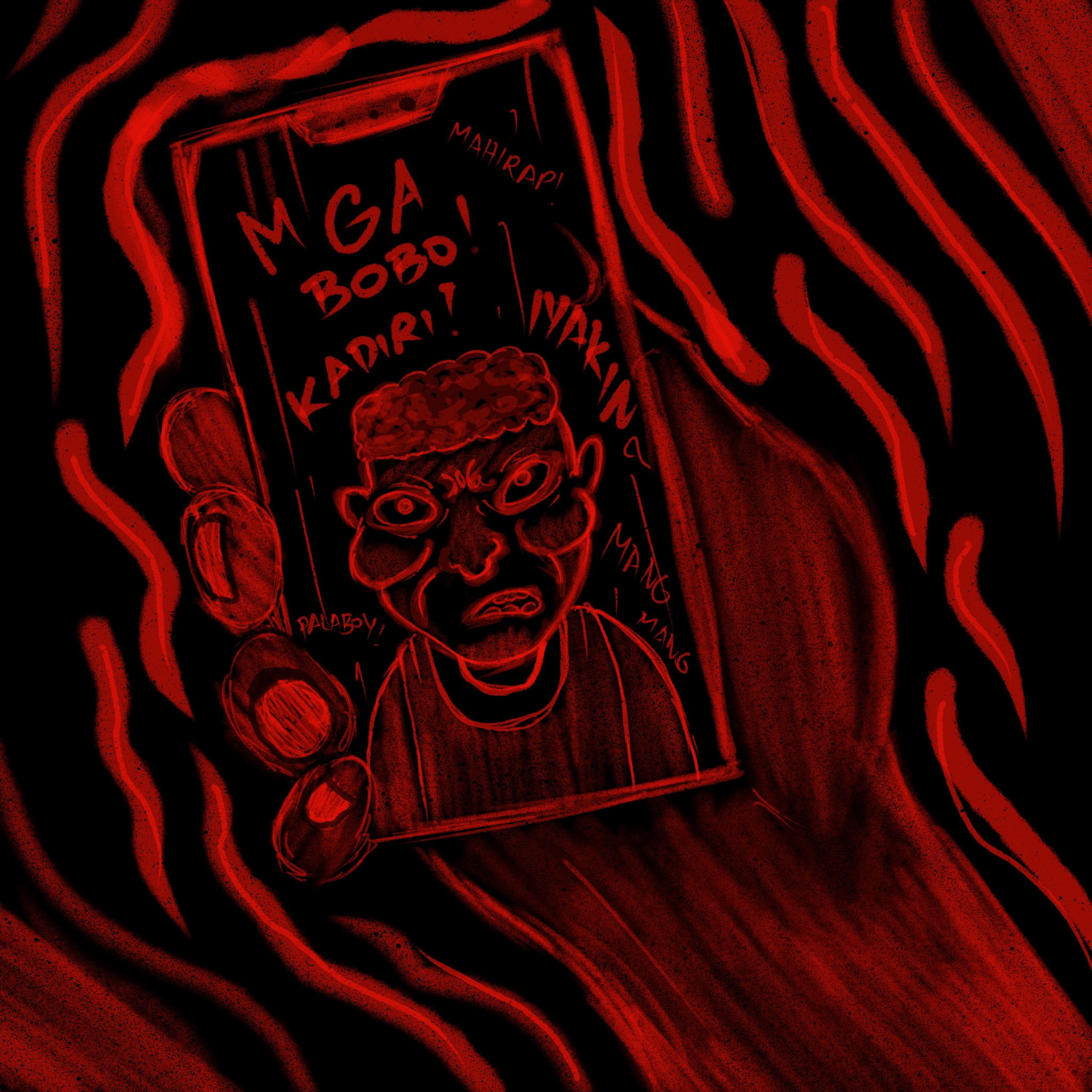
A rage-bait content typically draws on language that could trigger negative emotional reactions. This includes the use of wordplay, metaphors, or idioms. May include choice of words that are mocking, insulting, or loaded terms; those that carry strong emotions or cultural weight.
This conveniently turns a simple statement into more aggressive, mocking, or insulting expressions. Phrases like “Bobo/Tanga”, “Mga squatter”, “Iyakin” are used to offend people, making them feel belittled.
When people read or hear this in a content, they will be more likely to engage with the content, thinking that they could hurt the creator as well, or they attempt to defend themselves.
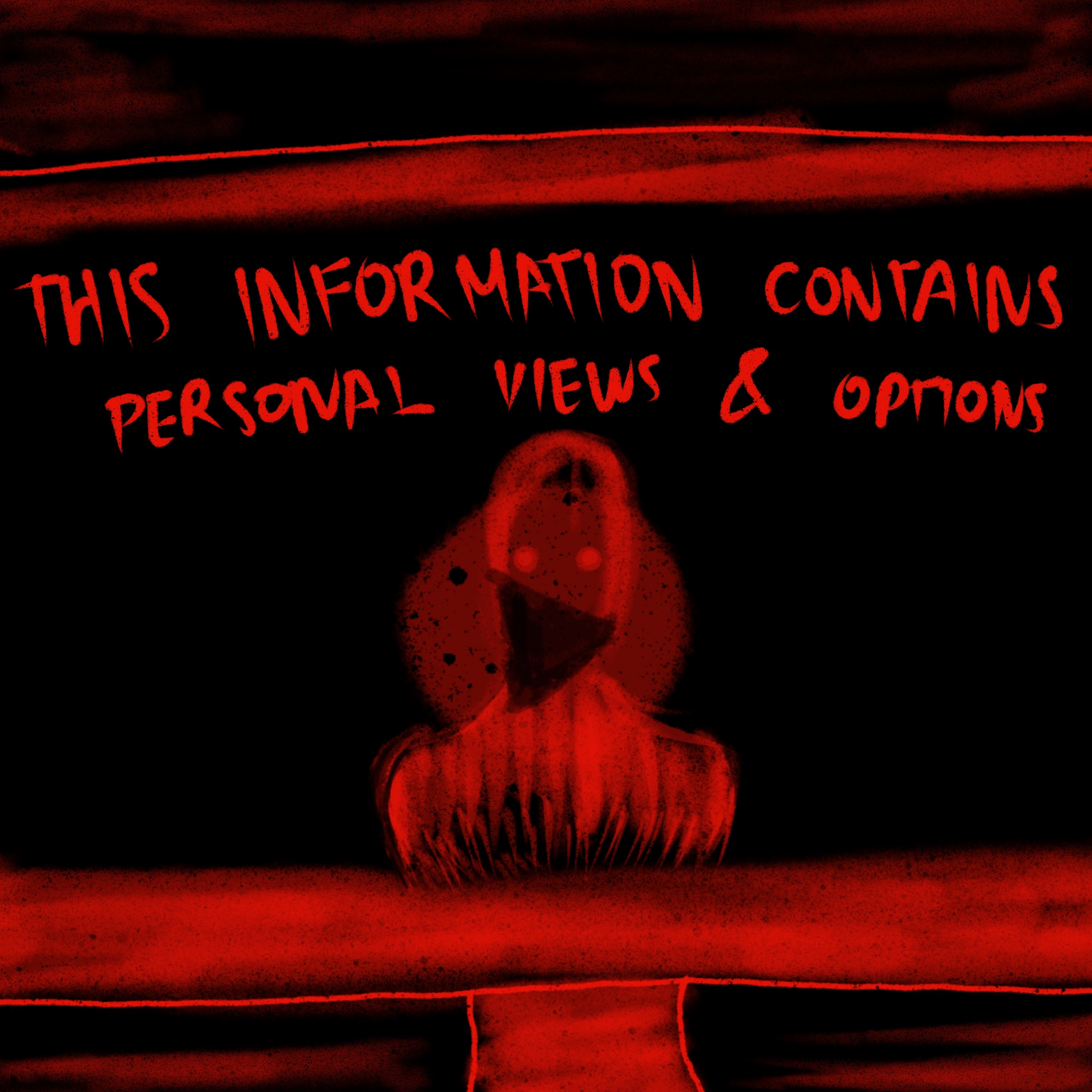
Not all sensationalized content is rage-baiting. There are contents where the creator does share their personal opinion, and there is a fine line between proper opinionated content and intentionally provoking content.
If a post or videos are clearly presented as an opinion piece, such as tabloids, talk shows, opinion columns, or editorial, and have a disclaimer that the views are personal, then it is likely meant to express rather than provoke.
That means if there is no clear context, no disclaimers, and the content seemingly meant to offend without explanation, that is more likely a rage-bait. It is best to watch or read content critically. If it feels like the sole purpose is to provoke and offend you and others, or seems to be promoting outrage and conflict, then that’s something to be assessed.

The most noticeable signs of rage-baiting are the tone. Such content usually sounds sarcastic, overly aggressive, and dramatically intense. Rage-bait creators are unbothered with the demeanor they show to the public, and no appropriate way of presenting information.
At its core, the speaker’s objective is to gather reactions rather than create discussions. A proper content creator presents themselves to be natural and composed, no matter what the topic or content is, they can show their disappointment without being exaggerated.
Pay attention to the tone and conduct of the creator. If they laugh hysterically, act exaggerated, intentionally raise their voice, have piercing eyes, or speak condescendingly and seem like they are teasing and provoking, these are indications of the creator’s cruel intention.
Doing these steps could reduce the effectiveness of rage-baiting and hopefully make it ineffective.

It may not sound complicated, but the hardest thing to do when encountering such content is to pause. When we are provoked or offended, the first thing we usually do is retaliate, and that just proves the effectiveness of rage-baiting. When encountering this kind of post, it is better to take a pause and assess the content by looking for the red flags. When it comes to rage-baiting, negatively engaging with it does more harm than good.
The simplest yet effective way to handle rage-bait content is to ignore it. The main purpose of such content is to gain much attention; it is formulated to receive engagement without concern for negative reaction. This signifies that ignoring decreases the gravity of rage-baiting; no traction leads to such posts being ineffective.
If you still feel like striking back, a better option is to report. In almost all social media platforms, there’s a function where a user can report posts and accounts, and this function is located on the three-dot icon. When you want to report content or its creator, look for the three-dot icon. This icon leads to the option of reporting and muting their account to avoid seeing rage-bait posts on your social media feed.
A simple action of educating friends and family about rage-baiting is a big help. For this initiative to succeed: Help us with our mission, take action by supporting responsible, factual, and credible content creators, and educate others on how rage-baiting works.